Albert Bandura's Social Cognitive Theory
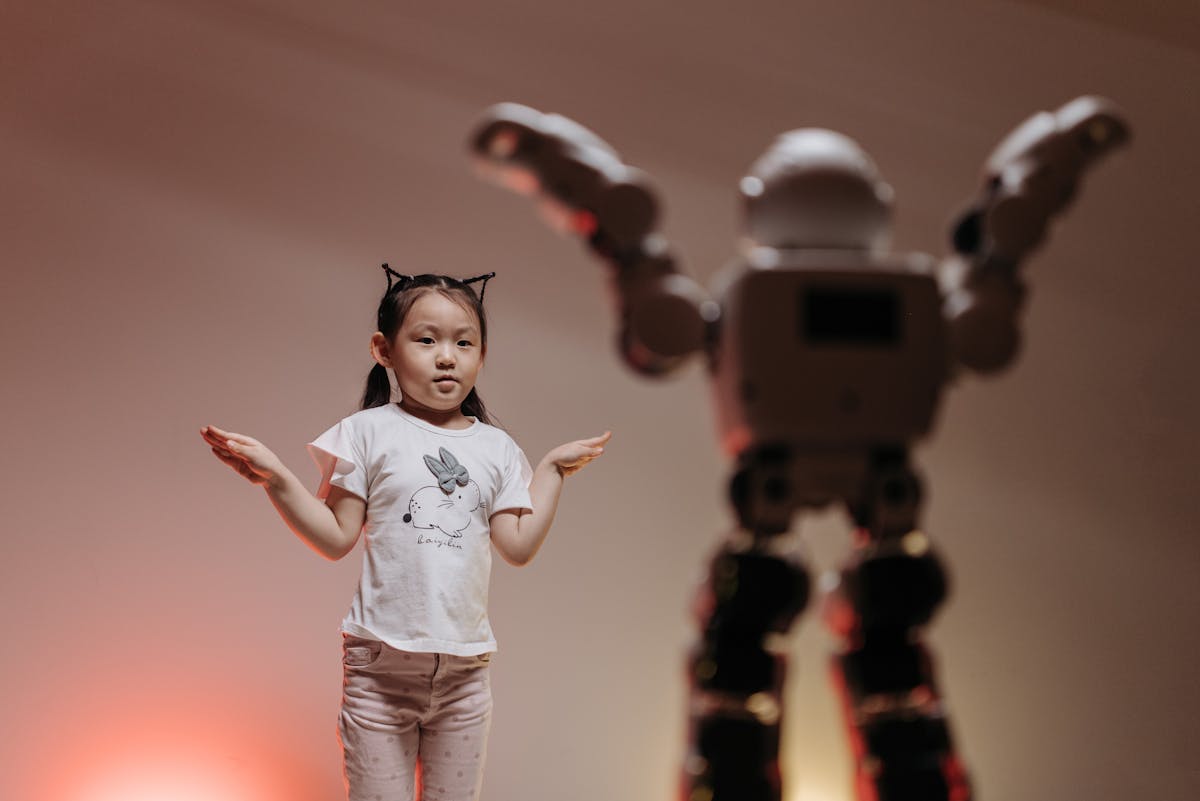
You learn by watching, not just doing. Albert Bandura proved we acquire behaviors through observation. Social Cognitive Theory explains why role models shape our destiny.
This isn't passive watching. It's active learning through attention, retention, reproduction, and motivation. Your environment, beliefs, and actions create a feedback loop called reciprocal determinism.
The Four Core Processes
Bandura identified four steps that make observational learning work:
- Attention: Notice what matters. A leader's charisma grabs focus.
- Retention: Remember through mental rehearsal or notes.
- Reproduction: Practice what you observed. Skills improve through repetition.
- Motivation: Rewards (vicarious or direct) drive action.
The Famous Bobo Doll Experiment
Bandura's 1961 experiment shocked the world. Children watched adults punch an inflatable clown doll. Those who saw rewarded aggression imitated it perfectly. This proved media violence influences behavior—a warning for today's social media.
Self-Efficacy: The Real Power
Bandura's breakthrough concept: self-efficacy. Your belief in your ability to succeed determines effort and persistence.
- Mastery experiences (small wins build confidence)
- Vicarious experiences (seeing peers succeed)
- Verbal persuasion (encouragement from others)
- Manage emotional states (control stress)
High self-efficacy turns obstacles into opportunities. Entrepreneurs with strong self-efficacy persist through rejection.
Real-World Applications
| Domain | SCT Example | Result |
|---|---|---|
| Workplace | Shadowing mentors during onboarding | Faster skill acquisition |
| Education | Peer tutoring and teacher modeling | Higher retention rates |
| Marketing | Influencers modeling fitness routines | Viral behavior adoption |
| Health | Anti-smoking campaigns showing consequences | Reduced smoking rates |
Why This Matters in 2026
TikTok challenges spread through observational learning. LinkedIn successes motivate networking. AI teams learn faster through modeled collaboration.
Gen Z watches, learns, imitates—at lightning speed. The question isn't if modeling works. It's what you choose to model.
Apply SCT Today
Pick one role model in your field. Watch their patterns this week. Practice one behavior they model. Track your progress.
Read more articles →
References: Bandura, A. (1977). Social Learning Theory. Prentice-Hall.